



Cannabinoid Receptor
Cannabinoid Receptor
Cannabinoid receptors are currently classified into three groups: central (CB1), peripheral (CB2) and GPR55, all of which are G-protein-coupled. CB1 receptors are primarily located at central and peripheral nerve terminals. CB2 receptors are predominantly expressed in non-neuronal tissues, particularly immune cells, where they modulate cytokine release and cell migration. Recent reports have suggested that CB2 receptors may also be expressed in the CNS. GPR55 receptors are non-CB1/CB2 receptors that exhibit affinity for endogenous, plant and synthetic cannabinoids. Endogenous ligands for cannabinoid receptors have been discovered, including anandamide and 2-arachidonylglycerol.
Cannabinoid Receptor Isoform Specific Products
All Product Categories
-
Cannabinoid Receptor Inhibitors
(37)
View all products
-
Cannabinoid Receptor Agonists
(141)
View all products
-
Cannabinoid Receptor Antagonists
(76)
View all products
-
Cannabinoid Receptor Activators
(14)
View all products
-
Cannabinoid Receptor Modulators
(24)
View all products
-
Cannabinoid Receptor Chemical
(1)
View all products
-
Cannabinoid Receptor Inducer
(1)
View all products
-
Cannabinoid Receptor Degrader
(1)
View all products
-
Cannabinoid Receptor Controls
(2)
View all products
-
Cannabinoid Receptor Ligands
(13)
View all products
-
Cannabinoid Receptor Related Products (448)
Related Products (448)

-
Antibodies (1)
-
Cannabinoid Receptor Isoform Comparison

-
Arvanil
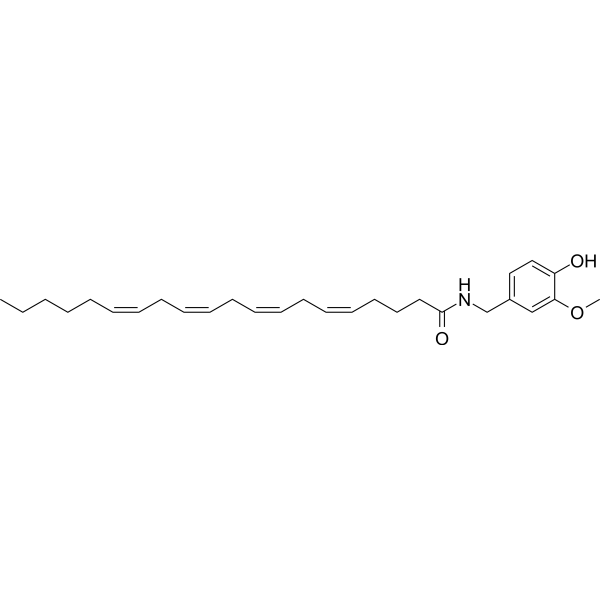 0 ImagesSynonyms: N-VanillylarachidonamideArvanil (N-Vanillylarachidonamide) is a mixed agonist of CB1 and TRPV1 receptors. Arvanil downregulates CD25, HLA-DR, CD134/OX40, blocks G1/S phase transition, and induces phosphorylation of Akt. Arvanil does not induce apoptosis in cells. Arvanil inhibits lymphocyte activation and ameliorates autoimmune encephalomyelitis. Arvanil can be used in research related to Huntington's disease, vomiting, and multiple sclerosis.
-
CB1 antagonist 4
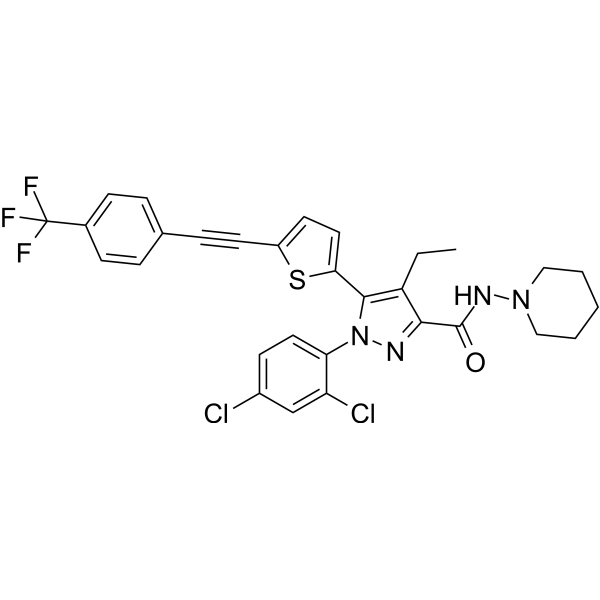 0 ImagesCB1 antagonist 4 (compound 8) is a selective cannabinoid receptor 1 (CB1) inverse agonist with an IC50 of 8.5 nM for human CB1. CB1 antagonist 4 shows selective for CB1 over CB2 receptors (IC50 of 604.9 nM). CB1 antagonist 4 inhibits GTP binding to CB1-overexpressing cell membranes with an EC50 of 18.5 nM.
-
Palmitoyl serinol
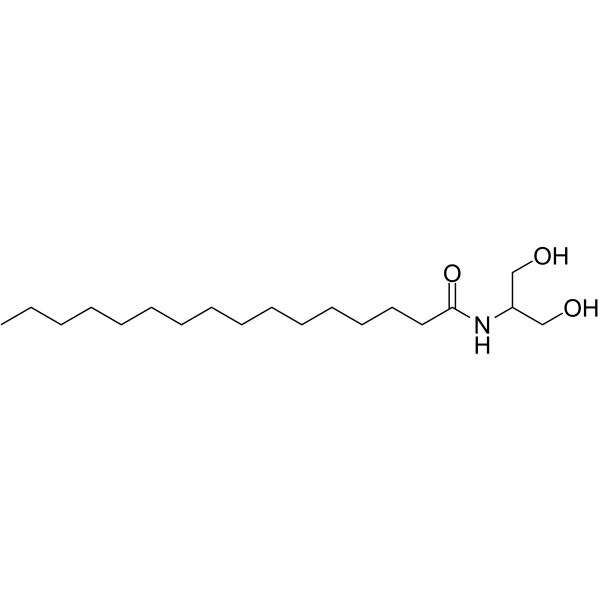 0 ImagesSynonyms: N-Palmitoyl serinolPalmitoyl serinol (N-Palmitoyl serinol) is an analog of the endocannabinoid N-palmitoyl ethanolamine (PEA). Palmitoyl serinol improves the epidermal permeability barrier in both normal and inflamed skin.
-
CB1 inverse agonist 2
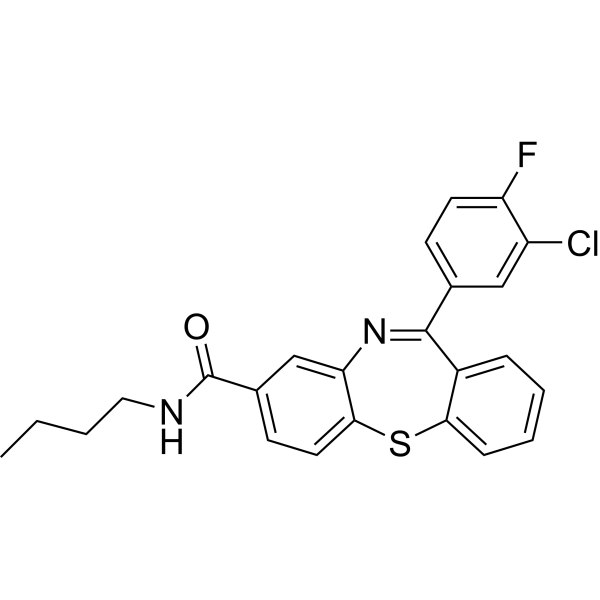 0 ImagesCB1 inverse agonist 2 is an orally active inverse agonist of Cannabinoid Receptor CB1. CB1 inverse agonist 2 effectively inhibits CP55940-induced hypothermia and anorexia in mice model.
-
PGN36
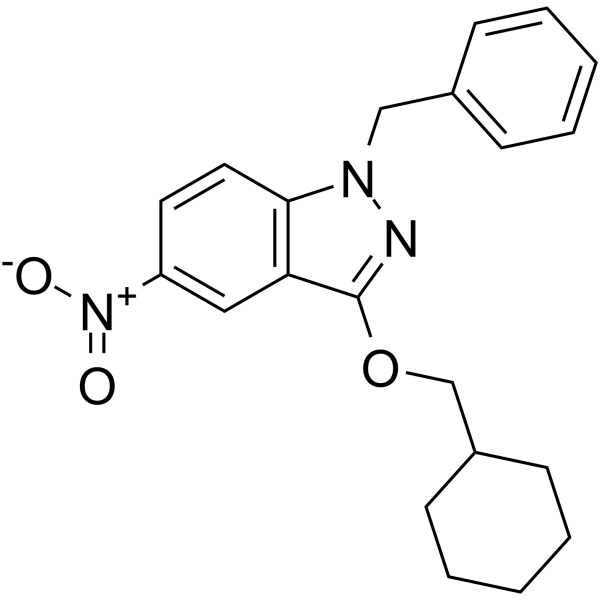 0 ImagesPGN36 is a selective cannabinoid CB2 receptor (CB2R) antagonist with Kis of 0.09 µM and >40 µM for CB2R and CB1R, respectively. PGN36 abolishes the increase in collagen type I gene expression by the inducer of bone activity. PGN36 is able to cross the blood-brain barrier. PGN36 can be used for the study of frontotemporal dementia (FTD).
-
Etrinabdione
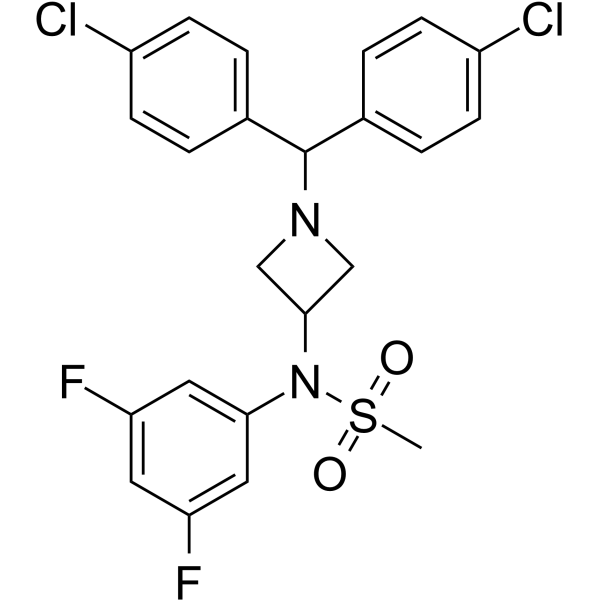
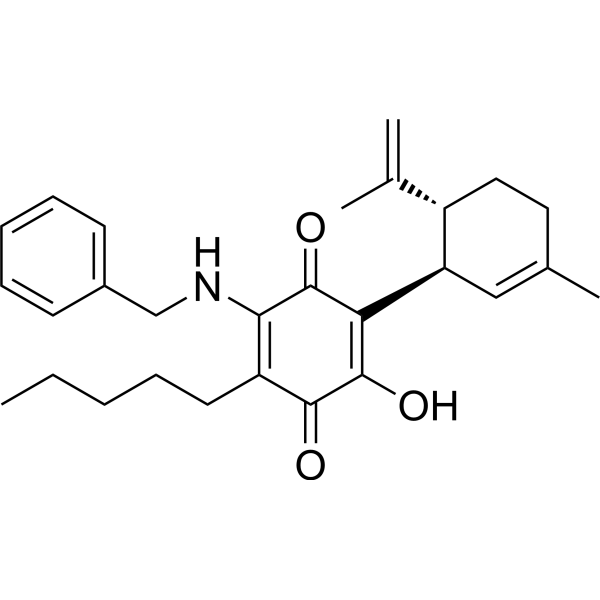 0 ImagesSynonyms: EHP-101; VCE-004.8Etrinabdione (EHP-101; VCE-004.8) is an orally active, specific PPARγ and CB2 receptor dual agonist. Etrinabdione inhibits prolyl-hydroxylases (PHDs) and activates the HIF pathway. Etrinabdione, a semi-synthetic multitarget cannabinoquinoid, has potent anti-inflammatory activity. Etrinabdione attenuates adipogenesis and prevents diet-induced obesity.
-
CB2R PAM
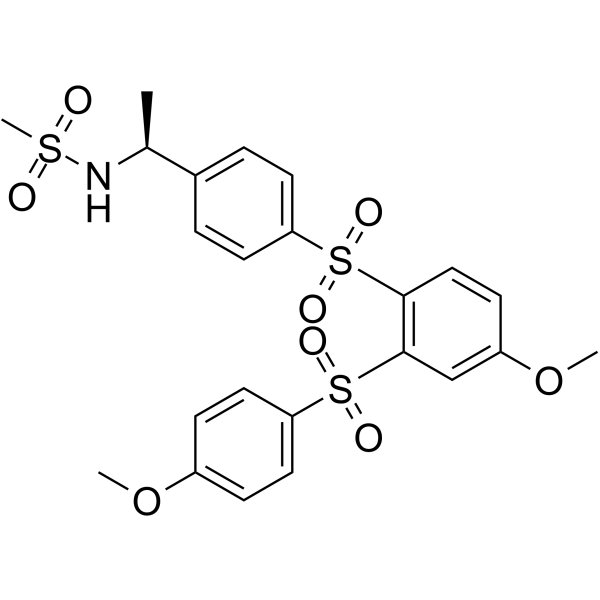
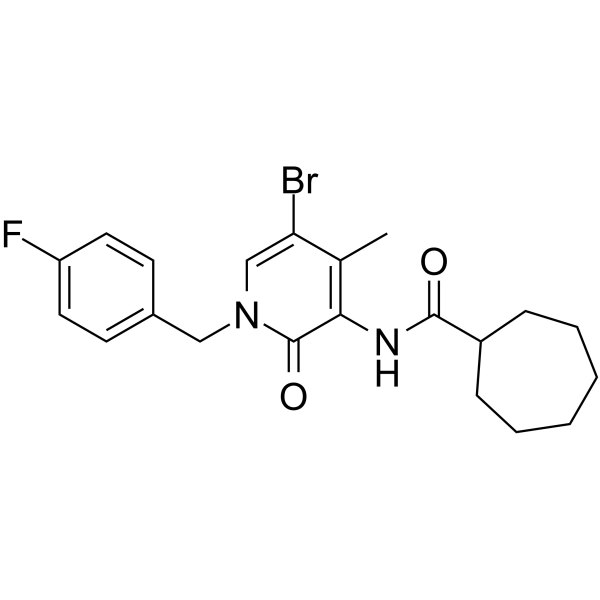 0 ImagesCB2R PAM is an orally active cannabinoid type-2 receptors (CB2Rs) positive allosteric modulator. CB2R PAM displays antinociceptive activity in vivo in an experimental mouse model of neuropathic pain.
-
AZD1940
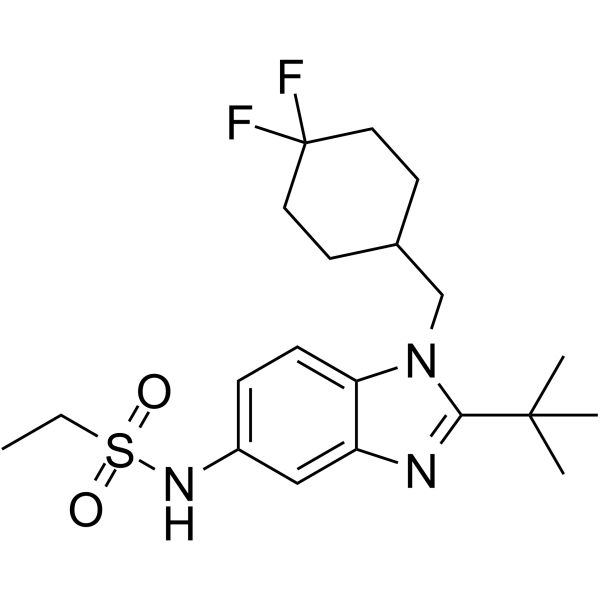 0 ImagesAZD1940 is an orally active, high affinity cannabinoid CB1/CB2 receptor agonist with pKi values of 7.93 and 9.06 for human CB1R and CB2R, respectively. AZD1940 shows a robust analgesia action.
-
VSN-16
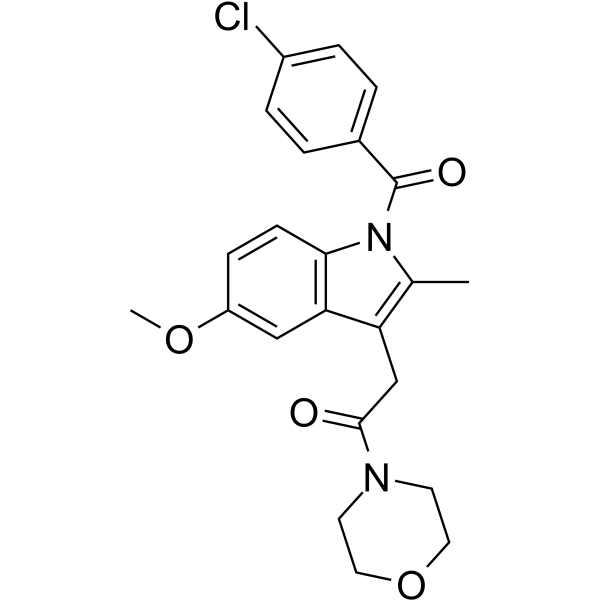
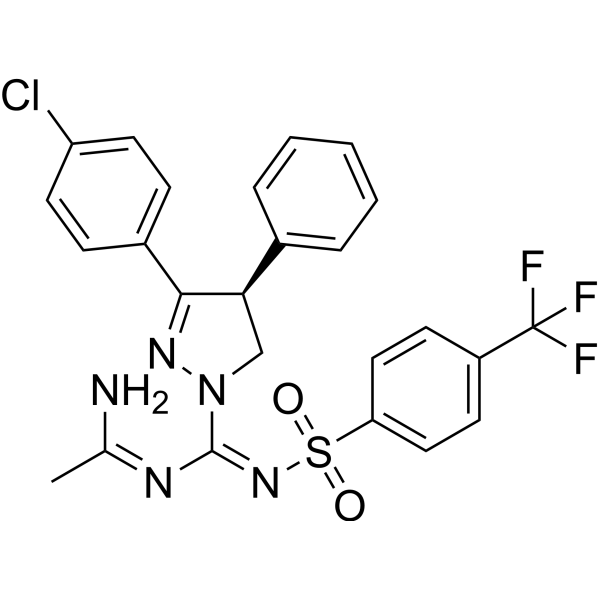
 0 ImagesVSN-16 is a cannabinoid receptor agonist with vasodilatory activity. VSN-16 can be used for the study of multiple sclerosis.
-
Auriculasin
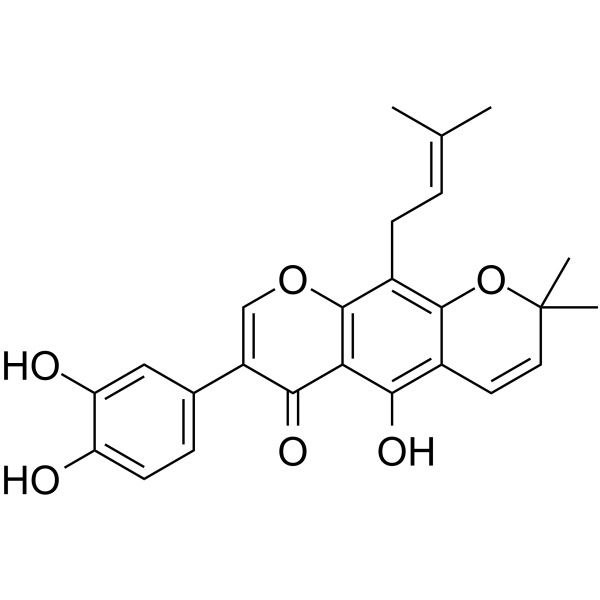 0 ImagesAuriculasin is an anticancer agent that inhibits VEGFR2, PI3K/AKT/mTOR, MAPK. Auriculasin can inhibit cell proliferation, induce cell apoptosis, and inhibit angiogenesis, and promotes mitochondrial oxidative stress and ferroptosis. Auriculasin is also active at the cannabinoid receptor CB1 with an IC50 of 8.92 μM. Auriculasin can be used in cancer research, especially related diseases such as prostate cancer and non-small cell lung cancer, as well as research on the development of anti-angiogenic drugs.
-
Hemopressin (human, mouse)
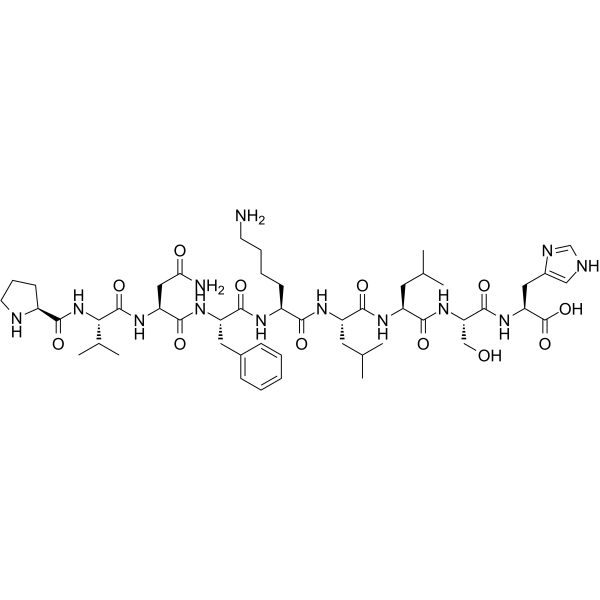 0 ImagesHemopressin is a nonapeptide derived from the α1-chain of hemoglobin, is originally isolated from rat brain homogenates. Hemopressin is orally active, selective and inverse agonist of CB1 cannabinoid receptors. Hemopressin exerts antinociceptive action in inflammatory pain models.
-
ZCZ011
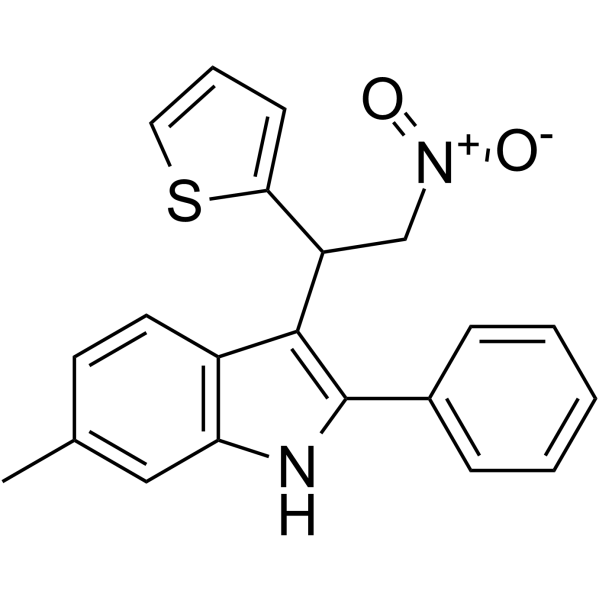 0 ImagesZCZ011 is a potent and brain-penetrant cannabinoid 1 (CB1) receptor positive allosteric modulator. ZCZ011 potentiates binding of CP55,940 to the CB1 receptor, enhances anandamide (AEA)-stimulated GTPγS binding in mouse brain membranes. ZCZ011 increases β-arrestin recruitment and ERK phosphorylation in hCB1 cells. ZCZ011 can be used for researching neuropathic and inflammatory pain.
-
Voacamine
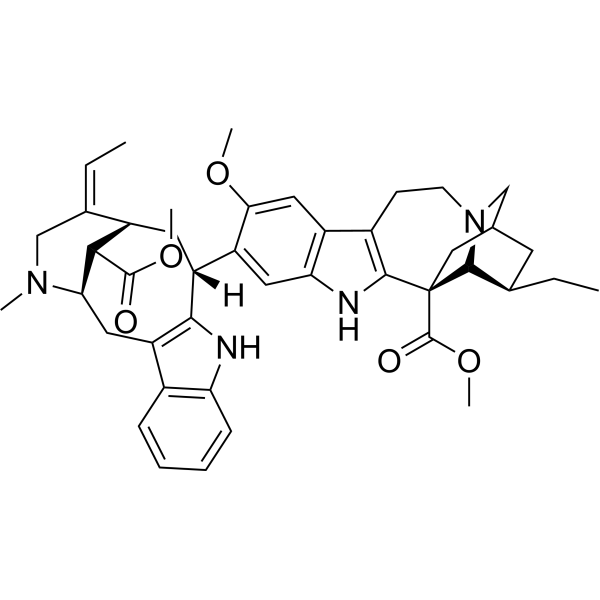 0 ImagesVoacamine is an indole alkaloid with cannabinoid 1 (CB1) antagonistic activity. Voacamine can inhibit nuclear translocation. Voacamine is effective in enhancing the effect of Doxorubicin (HY-15142A) as it interferes with the P-glycoprotein (P-gp) function. Voacamine promotes apoptosis-independent autophagic cell death in human osteosarcoma cells. Voacamine activates mitochondrial-associated apoptosis signaling pathway and inhibition of PI3K/Akt/mTOR signaling pathway to suppress breast cancer progression. Voacamine inhibits EGFR to exert oncogenic activity against colorectal cancer.
-
CB65
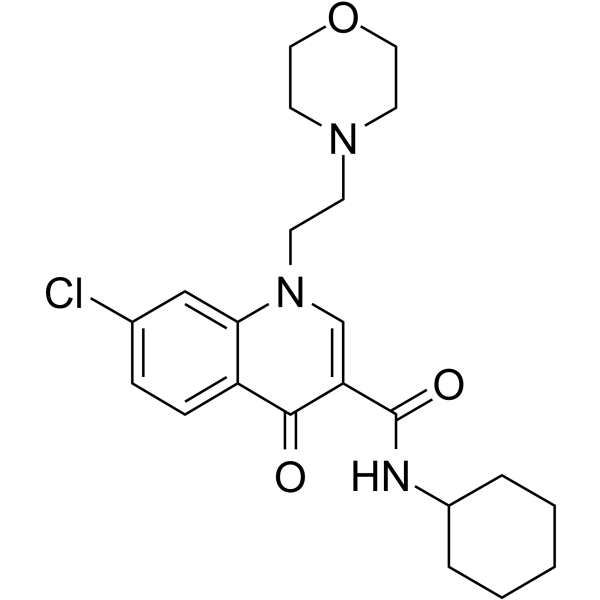 0 ImagesCat. No.: HY-110047CAS No.: 913534-05-1
-
2-Arachidonoylglycerol-d5
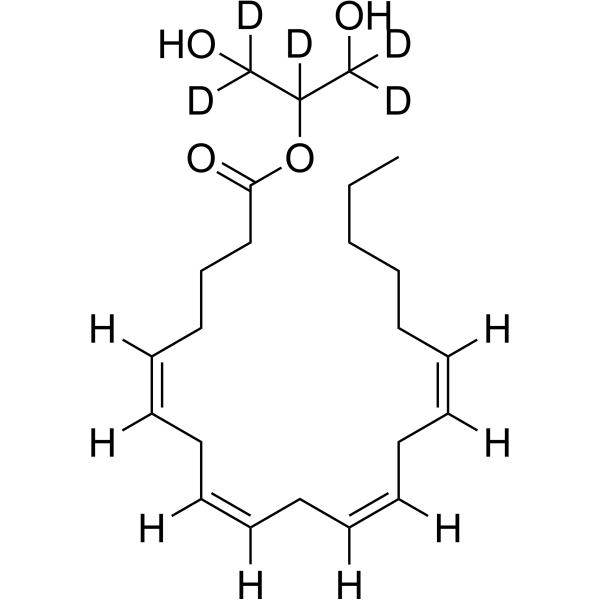 0 ImagesCat. No.: HY-W011051S1CAS No.: 2522598-88-32-Arachidonoylglycerol-d5 is the deuterium labeled 2-Arachidonoylglycerol. 2-Arachidonoylglycerol is a second endogenous cannabinoid ligand in the central nervous system.




